
Airspace Chaos Sparks Bitter Funding Fight Between White House and Capitol Hill
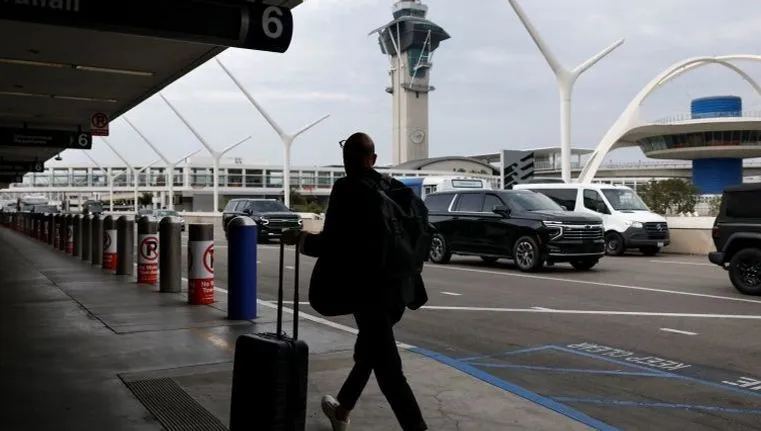
A catastrophic nationwide flight grounding on Friday has ignited a fierce political battle over the future of American aviation infrastructure. Transportation Secretary Sean Duffy is urgently pressing Congress for upwards of 50 billion dollars to overhaul the Federal Aviation Administration’s aging systems, claiming that current technology dating back to the 1990s is no longer viable. This plea comes after a technical failure in El Dorado, Arkansas, involving a transition from copper wire to fiber optics brought the country’s airspace to a standstill.
Democrats, however, are questioning why such a massive sum is suddenly necessary when the agency is still sitting on billions in previously authorized funds. They point to a Republican-led spending bill from last year that provided 12.5 billion dollars, including nearly five billion specifically earmarked for telecommunications upgrades. Critics like Senator Tammy Duckworth and Representative Rosa DeLauro have suggested the administration mismanaged its priorities, arguing that money spent on vanity projects and immigration enforcement should have been diverted toward aviation safety long ago.
Secretary Duffy defended his request during a recent appearance on CNN, explaining that specialized air traffic control equipment cannot simply be bought off the shelf and that existing budgets are merely keeping them on track through 2028. He argues that an immediate infusion of cash is required to accelerate these critical updates and prevent another systemic collapse. While most Democrats remain skeptical of the figure, some moderate voices like Senator Chris Van Hollen have expressed a willingness to provide funding if the administration can formally justify the expense before Congress.
As the clock ticks toward a December funding deadline, Republicans appear determined to push through additional investments regardless of the opposition. Outgoing House Speaker Mike Johnson indicated that FAA funding will be included in an upcoming legislative package, while Senator Eric Schmitt continues to champion his Modern Skies Act as a solution. With Democrats poised to take the majority in January, both parties are racing against time to decide how much taxpayers should pay to modernize skies that many now realize are running on borrowed time.
Related Stories
Runway Collision in Miami Follows Chaotic Weekend of Air Traffic Failures
Miami International Airport became the site of a frightening encounter Saturday night when a Copa Airlines…

From Safety Concerns to Billions: The Defectors Who Built Anthropic
The rise of Anthropic began not with a quest for wealth, but with a dramatic exit.…