
Gravity Defied but Regulations Remain Grounded for Tesla’s Newest Toy
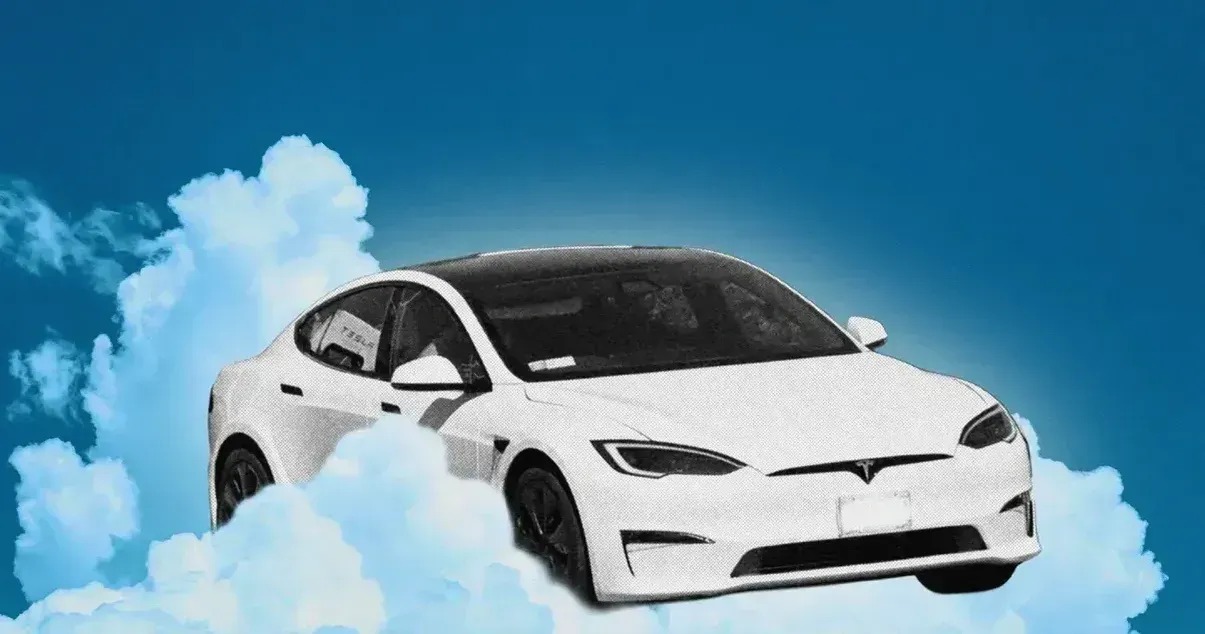
Elon Musk recently brought a long standing science fiction dream closer to reality in McGregor, Texas, though the result was perhaps more jarring than graceful. During a demonstration at a SpaceX testing facility, Tesla showcased a version of the upcoming Roadster 2 that managed to leave the ground, leaping a few dozen feet in an awkward maneuvering display. While the sight of a luxury sports car taking flight is evocative, Musk kept the driver’s seat empty during the trial specifically to avoid any potential fatalities. The vehicle is expected to enter production by 2028 and will almost certainly carry a premium price tag.
Despite the successful leap, aviation experts warn that turning this stunt into a consumer feature is a regulatory nightmare. According to Scott Miller, an airline pilot and lecturer at San Jose State University, anything that leaves the Earth’s surface falls under the strict jurisdiction of the Federal Aviation Administration. Even Musk admitted during the presentation that he isn’t entirely sure if such maneuvers would be legal across different regions, noting candidly that the current iteration of the car is not safety optimized for flight.
Beyond federal permits, owners would face significant logistical hurdles including the need for specialized recreational aviation licenses rather than simple driver’s licenses. Former FAA official Michael McCormick noted that certifying any vehicle weighing over 250 pounds can take years of bureaucracy. Furthermore, most local laws forbid aircraft from taking off or landing on public roads or residential streets, meaning these high flying Roadsters might be restricted to massive private estates rather than serving as a convenient way to bypass morning traffic.
There is also the persistent problem of physics that has plagued every flying car attempt since inception. As Miller explains, cars must be heavy and durable to survive collisions on asphalt, but weight is fundamentally the enemy of flight. Balancing structural integrity with aerodynamic lift remains a contradictory challenge for engineers worldwide. Nevertheless, those watching Thursday’s demo agree that if Tesla manages to bring this capability to mass production, it would represent an extraordinary feat of modern engineering regardless of how many lawyers it takes to clear it for takeoff.
Related Stories
Gravity Defied as Tesla Unveils Rocket Powered Flying Roadster
Elon Musk left crowds stunned on Thursday night during a live demonstration of the long awaited…

Tech Optimism Lifts Asian Markets While Indonesian Equities Crash
Asian markets saw a widespread recovery on Friday as investors shook off a previous wave of…