
 By
By For consumers, finding the right beauty brand can be difficult, but once they find products that work for them, those products can become a regular part of their routines. Now, shoppers who once relied on a celebrity-backed beauty brand are losing access to it.
The company has shut down its online store and ended operations, bringing a four-year run in the beauty industry to a close. The shutdown comes as several celebrity-backed beauty brands have closed or undergone significant changes in recent months, highlighting the challenges companies face in an increasingly competitive market.
Founded in 2022, The Outset is a premium skincare brand specializing in products for sensitive skin and clean ingredients. It was co-founded by actress Scarlett Johansson and fashion and beauty executive Kate Foster Lengyel.
The Outset shuts down operations
The Outset has ceased operations, marking the end of a four-year run and its exit from the beauty market.
“After an incredible journey, The Outset has made the decision to wind down operations,” The Outset states on its website.
“We’re so grateful to everyone who welcomed us into their routines and supported us along the way.”
The company said online shopping has ended, while existing orders will continue to be processed as usual. It also provided an email address for customers with additional questions or requests for help.
The shutdown follows an end-of-summer sale in the weeks leading up to the closure, when the brand offered discounts of up to 50% on its products.
The Outset sold its products through its own e-commerce site as well as at retailers including Sephora, Goop, and Nordstrom. Charm.io, a retail intelligence platform, estimates the brand generated between $10 million and $25 million in sales in 2025.
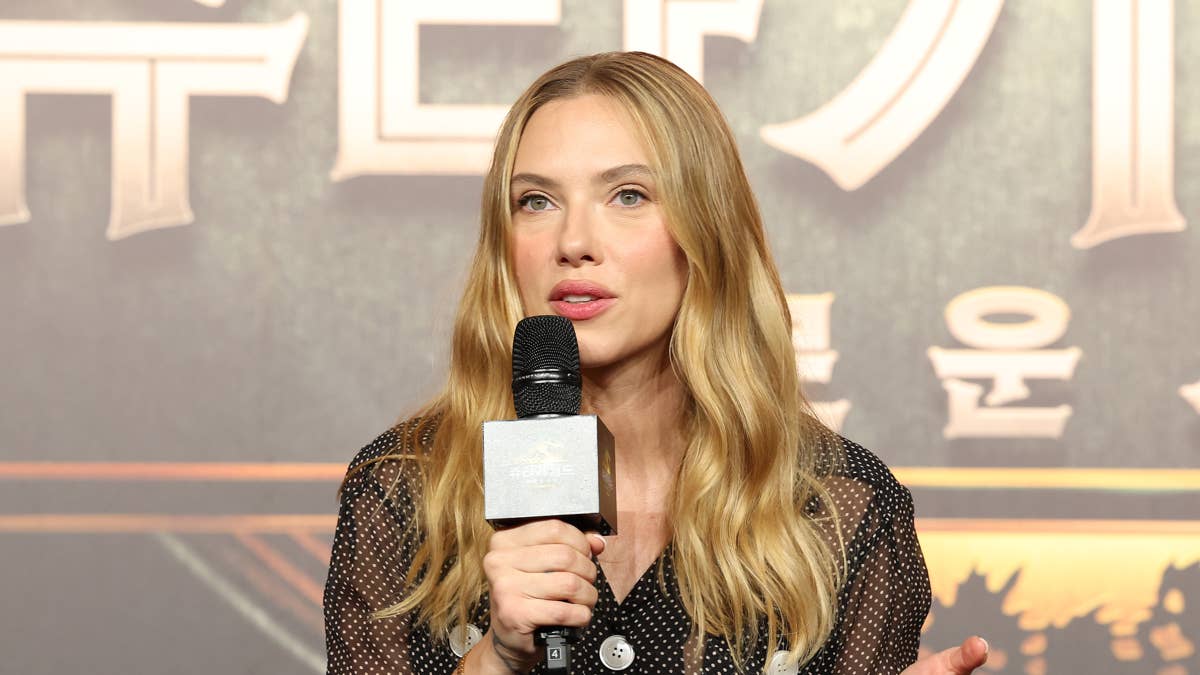
Chung Sung-Jun / Getty Images
The beauty industry continues to evolve
The Outset’s closure comes as the beauty industry continues to grow, even as individual brands face pressure to attract and retain consumers.
The global beauty market is expected to grow by approximately 5% annually through 2030, reaching about $590 billion, according to McKinsey & Company’s State of Beauty Industry Trends 2026.
In the U.S., skincare remained one of the strongest-performing areas of beauty through the first half of 2026. Prestige skincare sales increased 9%, with units up by double digits, according to Circana.
The continued rise of the broader market, however, does not guarantee that individual beauty brands will succeed.
McKinsey’s beauty research has highlighted changing consumer behavior, including greater attention to product performance and more selective spending. The firm has also noted that consumers are becoming more deliberate about where they spend within beauty rather than spending broadly across categories.
That environment can create challenges for emerging brands attempting to establish a distinct position while competing for consumers’ attention and spending.
Celebrity founders can help generate awareness when a brand launches, but McKinsey has noted that long-term staying power depends on factors beyond the founder, including having a distinctive point of view and delivering products that meet consumer expectations.
Major retailers and marketplaces also play an increasingly important role in the beauty industry. Sephora, Ulta Beauty, and Amazon give brands access to larger customer bases, but they also place products from numerous companies side by side, increasing the importance of differentiation, pricing, and product performance.
For direct-to-consumer beauty companies, expanding beyond their own websites can therefore create opportunities for greater visibility while also putting them into more direct competition with established brands.
Beauty brands struggle to survive
The Outset is not alone in facing challenges. The beauty industry has seen a number of brands close, restructure, or seek new ownership in recent years as companies contend with competition, changing consumer preferences, and pressure to generate sustainable growth.
Here’s some of my previous coverage on beauty brand closures:
- Pat McGrath Labs: The luxury cosmetics brand put its assets up for auction in late December 2025 and filed for Chapter 11 bankruptcy in 2026.
- Cover FX and Mally Beauty: Parent company AS Beauty Group closed both beauty labels in January 2026.
- Gxve Beauty: The beauty brand founded by music star Gwen Stefani gradually shut down in early 2026.
The closures illustrate the challenges facing individual brands even while the broader beauty market continues to expand.
For consumers, The Outset’s shutdown means products they may have incorporated into their skincare routines are no longer available directly from the brand, bringing an end to a four-year chapter for the celebrity-backed company.
Related: Another high-profile celebrity cosmetics brand closes
